Ledger 14 Six games audited this quarter 412 titles owned, 118 finished
Lead audit · Ledger 14

Cloudstair Ascent Is A Fine Game That 91 Per Cent Of Its Owners Will Never See The End Of

Two hundred and ten hours to the credits, and a design that assumes you have nothing else in your life. This is not a complaint about difficulty. It is a complaint about arithmetic.

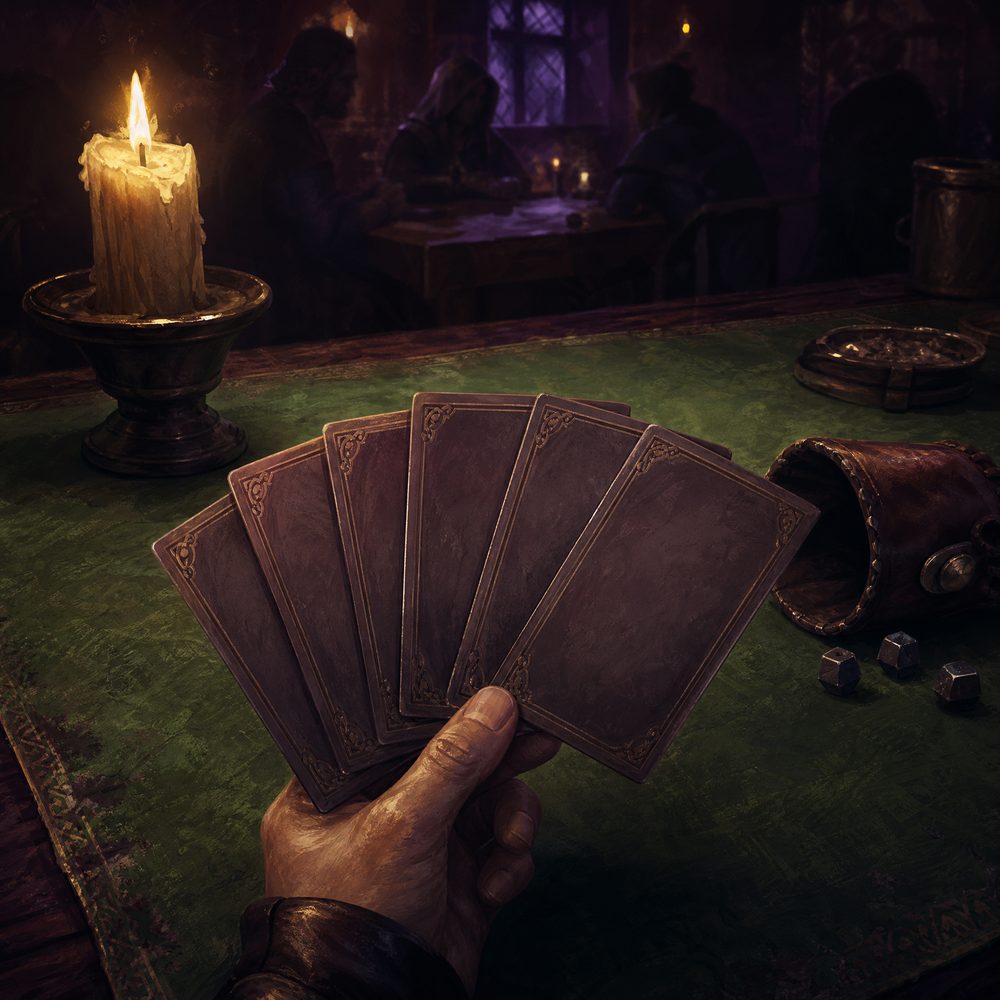
A cloaked traveller at the foot of an enormous stone staircase climbing into violet cloud, side paths branching away A single lit kitchen window seen from a rainy lane at dusk, one figure at a table inside Overhead view of a small settlement of green fields and violet-roofed workshops linked by conveyor lines A hand of blank ornate cards fanned out on a green tavern table beside a candle and a leather dice cup
412 Games owned Counted across every storefront and shelf, including the ones bought in bundles and forgotten.
118 Actually finished Reached credits or the point the game considers an ending. Twenty-eight per cent of what was bought.
1,914h Hours never spent Estimated completion time of everything owned and never started, at the developers' own figures.
What an audit contains

Every game here is reviewed twice: once as a game, once as a demand on your life

Quality is the easy half. The harder question is whether a game respects the fact that you own four hundred others and have perhaps six hours a week.

Hours to a real ending

Timed to the credits on a first playthrough, at default settings, without guides. Not the storefront estimate, and not the completionist figure — the honest middle number.

Where owners stop

Every game is played to completion, but the audit records the point at which the design most obviously loses people: the fourth-hour lull, the mid-game grind wall, the systems tutorial that arrives twenty hours late.

Cost of returning after a break

Each game is put down deliberately for three weeks, then resumed cold. How long it takes to be competent again is logged in minutes, and it is the single most useful figure this publication produces.

Finish likelihood

A blunt percentage: given a normal life and a large library, what share of buyers plausibly reach the end. Derived from the three figures above and stated as a range, because it is an estimate and pretending otherwise would be dishonest.

Ledger 14

Six games audited, four of them abandoned by most people who bought them

Each entry lists hours to the credits, the resume cost after three weeks away, and the finish estimate.

Full library
A cloaked traveller at the foot of an enormous stone staircase climbing into violet cloud Role-playing

Cloudstair Ascent

Two hundred and ten hours, forty of them before the game explains its own central system. Beautifully made, and built for an audience of people who own one game.

210h to credits Resume cost 52 min Finish estimate 9%
A single lit kitchen window seen from a rainy lane at dusk, one figure at a table inside Narrative

Kitchen Table

Four hours, one room, no menus to speak of. The best-designed game in the ledger by the only measure that matters here: almost everyone who starts it sees the end.

4h to credits Resume cost 2 min Finish estimate 88%
Overhead view of a small settlement of green fields and violet-roofed workshops linked by conveyor lines Management

Port Meridian

A colony game with no ending at all, which ought to score zero here and instead scores well. The audit that forced this publication to change its own method.

No credits Resume cost 11 min Finish estimate n/a

The finding that has held for fourteen ledgers: length is a design decision, not a value

Across four hundred and twelve owned games, the correlation between advertised length and completion is not weak. It is inverted. Every ten hours added to the critical path costs roughly seven per cent of the people who would otherwise have finished.

None of this makes long games bad. It makes them expensive in a currency nobody puts on the box.

  • 80–100% Almost everyone finishes
  • 50–79% Finished by most who start
  • 25–49% Half the library abandons it
  • 10–24% Finished by the committed few
  • Under 10% Effectively unfinishable
Ledger notes

Where the figures accumulate into an argument

Longer pieces drawing on every game the bureau has logged since ledger one.

All notes
■ ■ ■ ■ ■

Four hundred and twelve games sorted by how long they take to become playable again after three weeks away. The spread runs from two minutes to nearly an hour, and it predicts abandonment better than length does.

The Resume Cost412 games measured
■ ■ ■ ■ □

Every game bought in a bundle and never launched, counted honestly. The conclusion is uncomfortable: bundles do not grow libraries, they grow the unplayed part of libraries almost exclusively.

What Bundles Actually BuyLedger note
■ ■ ■ ■ ■

The case against this publication's own method, written at length: why finish likelihood is the shakiest figure here, and why it is published anyway with a range rather than a number.

Against Our Own NumbersMethod note